
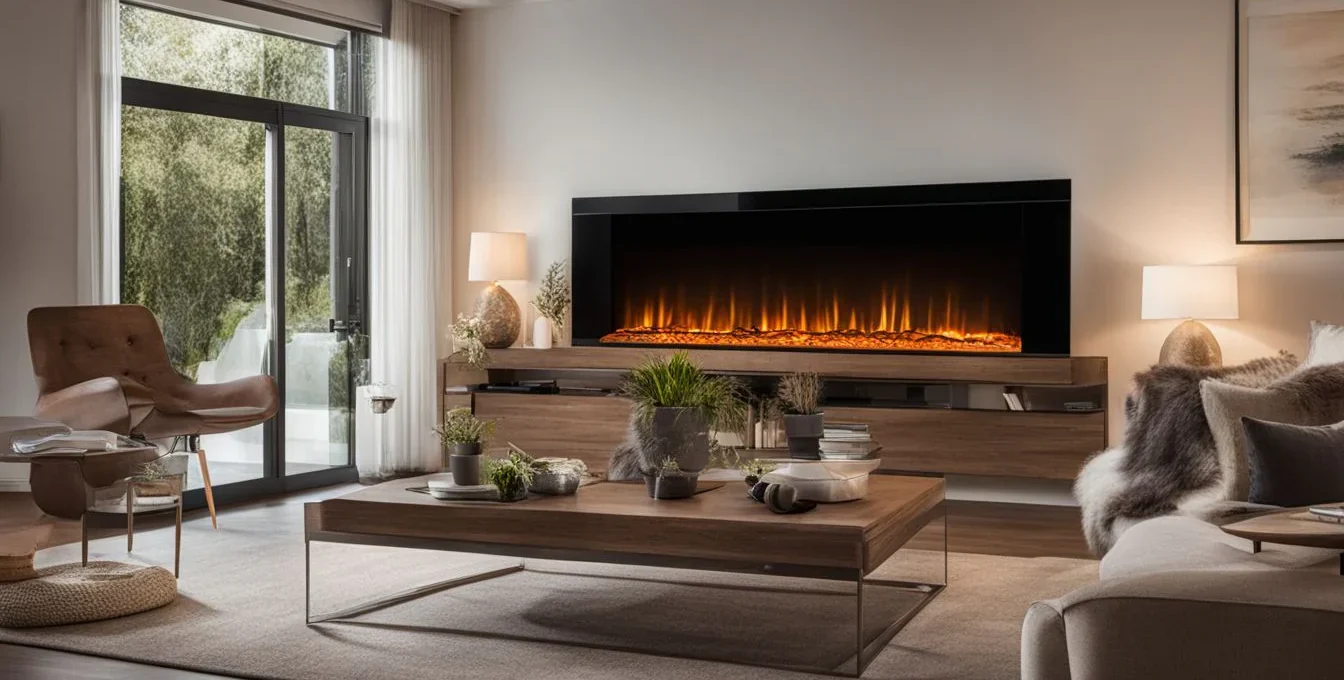

Fireplace thermal zoning harnesses a fireplace’s radiant heat to delineate functional areas within Philadelphia homes, promoting comfort and efficiency during crisp winters. This method capitalizes on natural heat flow to guide daily activities, turning open spaces into purposeful zones. Residents in neighborhoods like Fishtown and Rittenhouse Square embrace it to maximize coziness without major structural changes.
Core Principles of Thermal Zoning
Thermal zoning exploits how heat radiates from a fireplace, forming warmer cores near the hearth and cooler peripheries outward. In Philadelphia’s narrow rowhouses, typically spanning 1,500 square feet, this creates intuitive boundaries, say, 75℉ close by for lounging, dropping to 64℉ at room edges for busier tasks. Heat rises along walls, enhanced by the city’s older brick architecture that retains warmth effectively.
Furniture placement sharpens these divisions. A deep-seated chair three feet from the fire anchors a reading spot, while distant corners suit storage or quick chores. Philadelphia’s compact urban homes make zoning seamless, reducing the need for constant thermostat adjustments amid fluctuating January temperatures around 35℃.
Advantages for Local Homeowners
In Philadelphia’s draft-prone historic districts, thermal zoning slashes heating costs by focusing warmth where needed, often by 15 percent in uninsulated properties. Radiant heat delivers steady comfort without the dryness of forced air, benefiting those in Society Hill with respiratory sensitivities.
Primary benefits encompass:
- Targeted energy use, easing strain on aging HVAC in Fairmount rowhomes.
- Enhanced well-being through balanced temperatures that soothe winter aches.
- Visual harmony, spotlighting mantel details in Old City parlors.
- Eco-friendly alignment with the city’s push for lower emissions.
Implementation Techniques
Begin with a reliable gas fireplace, common in Manayunk updates for its 28,000 BTU consistency. Position it centrally to radiate evenly, respecting Philadelphia’s 36-inch clearance rules from flammables.
Key strategies include:
- Thick rugs to contain heat in primary seating groups.
- Folding screens blocking drafts from front-facing windows.
- Polished surrounds reflecting warmth further into zones.
- Low-speed ceiling fans redistribute heat in high-ceiling lofts.
Test zones with handheld thermometers, refining as needed. In a Graduate Hospital space, the hottest area might hold a sofa for chats, fading to a peripheral desk for emails.
Defining Zones by Activity
Innermost zones, 72 to 78℉ within five feet, idealize sedentary pursuits like book reading during Queen Village snowfalls. Mid-range areas at seven feet, around 67℉, fit dining or puzzles in family rooms. Outer edges near 61 degrees handle active functions such as toy play or laundry folding in Fishtown extensions.
This echoes Philadelphia’s hearth-centric colonial past, now adapted for modern lofts with plants as soft separators, crafting a meditation nook beside homework stations.
Regulatory Considerations in Philadelphia
Philadelphia’s Licenses and Inspections Department requires permits for fireplace work, prioritizing safe venting in dense blocks. Professionals handle gas lines, with installs ranging $4,500 to $8,500.
Compliance essentials cover:
- District checks via city Atlas for RTA overlays.
- Yearly flue cleanings against creosote.
- Operational CO alarms per fire codes.
- Certified techs versed in local standards.
Year-Round Versatility
Summer shifts the focus to decor, using gel fuels for scent in humid weather. Combine with PECO incentives for seals, monitoring via apps for tweaks.
Thermal zoning elevates Philadelphia fireplaces into smart organizers, blending utility with heritage for enduring warmth.
Bottom Line
Fireplace thermal zoning offers Philadelphia homeowners a timeless yet practical way to enhance living spaces, turning radiant heat into a blueprint for functionality. By strategically dividing rooms around natural warmth gradients, residents in Fishtown or Rittenhouse Square achieve energy savings and intuitive comfort without costly overhauls.
This approach not only honors the city’s historic rowhouse charm but also aligns with modern sustainability goals. Embracing thermal zoning fosters deeper connections to home, making every winter evening a harmonious blend of efficiency, aesthetics, and well-being.


Leave a Comment