
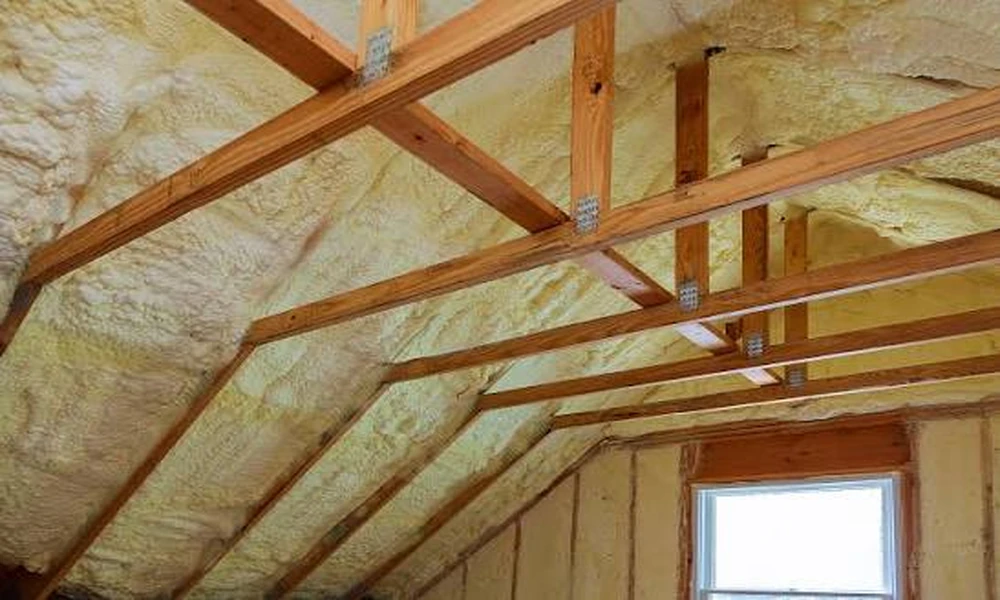

Climb into most attics around Boise on a late September afternoon and the air still feels like the inside of a parked car. That trapped heat is easy to ignore because nobody lives up there. Yet it is shaping how long the shingles above it will last, and in a few months the same space will decide whether melting snow drains off the roof or sneaks back under it.
Homeowners tend to judge a roof by what they can see from the driveway. Curled tabs, missing shingles, a brown ring on the ceiling. Those are real signals, but they usually show up late. The earlier part of the story is written underneath, in the gap between the ceiling drywall and the roof deck, where heat, moisture and airflow either stay in balance or slowly work against you.
That is why more roofers in the Treasure Valley now begin an inspection with a flashlight in the attic rather than a ladder against the gutter. The crew at Energy Shield Idaho, a family owned outfit based in Boise, handles insulation, solar attic fans and gutters alongside shingle and metal roofs, and offers free inspections for homes from Eagle and Star down to Nampa, Caldwell and Kuna. Whoever you end up calling, the principle holds. Fix the space under the roof and the roof itself becomes far easier to protect.
Two Very Different Jobs in a Single Year
Roofs in this valley pull double duty. Summer afternoons routinely climb into the upper 90s, the high desert sun is intense, and a poorly ventilated attic can easily pass 140 degrees. Asphalt shingles that bake from above and below lose their protective granules sooner, blister in patches and turn brittle years ahead of schedule.
Then winter flips the problem. The valley’s habit of mild afternoons followed by hard overnight freezes creates a steady cycle of melting and refreezing. During one record snow winter in Boise, ice dam specialists who came in from out of state noted something unusual. The daily swings were melting snow by day and refreezing it by night, catching even well insulated houses off guard. A warm, leaky attic only adds fuel to that cycle.
What All That Summer Heat Is Really Doing
Heat damage rarely looks dramatic at first. It builds quietly across several seasons, and it shows up in a few predictable ways.
- Shingles age faster. Heat dries out the oils in asphalt, which leads to cracking and granule loss. A gritty buildup in gutters or at downspout outlets is often the first clue.
- The roof deck takes a beating. Plywood and OSB that swing between baking and damp can warp or delaminate, which sometimes shows up as faint wavy lines across the roof surface.
- Warranties get shakier. Most shingle manufacturers tie their coverage to proper ventilation, so an attic that traps heat can weaken a claim you assumed was airtight.
- Cooling bills creep up. A hot attic radiates down through the ceiling all afternoon, and the problem doubles if ductwork runs through that space.
Where Winter Leaks Truly Begin
Ice dams get blamed on snow, but the real trigger is usually warm air escaping from the living space. It slips through gaps around recessed lights, attic hatches, plumbing stacks and bath fans, warms the upper roof deck and melts the snow sitting on it. That meltwater runs down to the colder eaves, freezes, and forms a ridge of ice.
Water then pools behind the ridge. Shingles are designed to shed water downhill, not hold back standing water, so it creeps under the courses, soaks the sheathing and eventually reaches insulation and drywall along exterior walls. Watch for an unusually thick band of ice at the roof edge, heavy icicles along one stretch of gutter, or paint bubbling high on an outside wall.
Condensation is the other winter trap. On cold nights, moist indoor air can freeze onto nail tips and the underside of the deck. When the weather warms, that frost melts and drips, looking exactly like a roof leak even when the shingles are fine.
A Ten Minute Attic Walk That Tells You Plenty
You do not need to be a roofer to spot early trouble. Pick a dry day, bring a bright flashlight and a dust mask, and step only on the joists. Look for these things.
- Pinpoints of daylight through the deck anywhere other than a designed vent opening.
- Dark staining, soft spots or white fuzzy patches on the sheathing.
- Rusty nail tips, which point to repeated condensation over past winters.
- Insulation that is thin, flattened, or packed against the soffits so outside air cannot get in.
- Bathroom or kitchen fans that exhaust into the attic instead of outdoors.
- A musty smell, which often arrives well before visible damage does.
Snap a few photos while you are up there. They give a contractor a useful baseline and make it easier to track changes from one year to the next.
The Balancing Act Behind a Healthy Attic
Good ventilation is really just good airflow. Cool air should enter low through the soffits and warm air should leave high through the ridge. Building codes generally call for about one square foot of net vent area for every 150 square feet of attic floor, which can be relaxed to one per 300 when intake and exhaust are properly balanced.
More is not automatically better. Mixing exhaust types, like a ridge vent paired with gable vents or a powered fan, can short circuit the system and pull air from the wrong places. Solar attic fans can help homes that run especially hot without adding to the power bill, but they need enough intake. Otherwise they end up drawing conditioned air up from the house through ceiling gaps.
Insulation belongs in the same conversation. Boise sits in climate zone 5, where Energy Star guidance suggests roughly R49 to R60 in the attic, and plenty of older homes fall well short of that. Sealing air leaks before adding insulation matters, because loose fill laid over open gaps simply filters warm air instead of stopping it.
Why Autumn Is the Sweet Spot
Late September through October offers the best window of the year. Attics are cool enough to work in, the weather stays dry enough for roofing, and the first hard freeze has not arrived yet. If a replacement is already on the horizon, this is the moment to add a ridge vent, clear blocked soffits, lay an ice and water barrier along the eaves and valleys, and refit gutters so meltwater has somewhere to go. Handling all of it while the deck is exposed costs far less than tackling each piece separately later.
A well balanced attic never announces itself. Nothing drips in February, summer bills stay steady, and the shingles fade slowly instead of failing early. That uneventful stretch of years is exactly what you are paying for.





Leave a Comment