
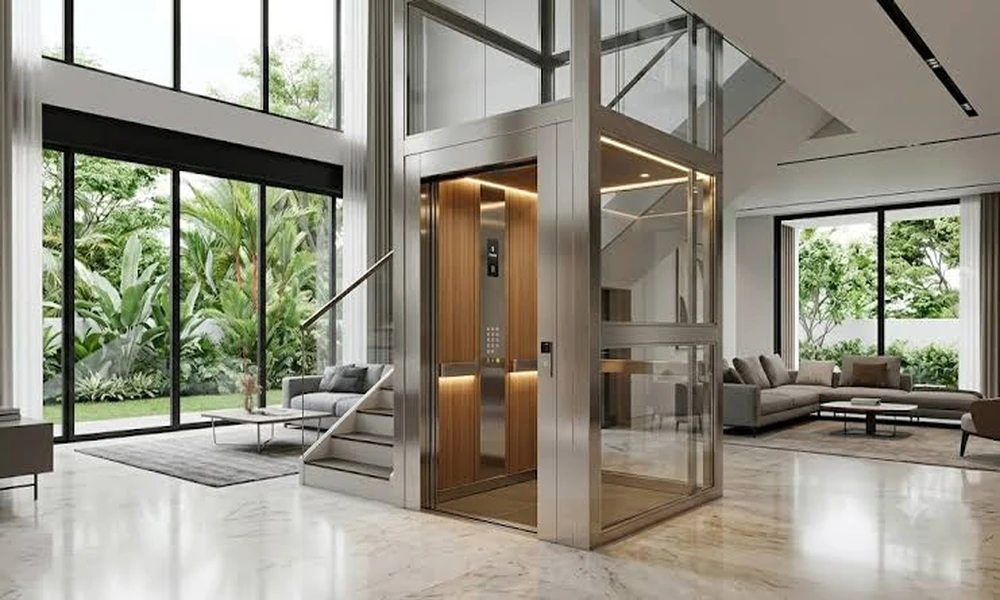

A home elevator is frequently assumed to be an indulgence reserved for large landed properties with room to spare, rather than a piece of access equipment that a growing number of Singapore homeowners install for entirely practical reasons. That assumption overlooks how much the available footprint and installation methods have changed in recent years, since Home Elevator Singapore shows that compact shaftless and pneumatic models now fit spaces that would once have ruled the option out entirely. Understanding the practical side of ownership matters more than the perceived status attached to it.
Why Homeowners Consider a Home Elevator
The most common reason is not convenience but necessity: a household member who can no longer manage stairs safely, an ageing parent moving in, or a homeowner planning to remain in the same property well into later life. Some buyers also install one during a major renovation, when structural changes are already underway and adding a shaft is far less disruptive than retrofitting one later. Identifying the actual driver behind the decision helps narrow down which type of system suits the household best.
Types of Home Elevators Available
Options range from traditional hydraulic or traction systems requiring a dedicated machine room, to shaftless pneumatic lifts that use air pressure and need no pit or overhead room, through to compact cable-driven models designed specifically for residential retrofits. Each type carries different space, power, and maintenance implications, so the right choice depends heavily on whether the installation is happening during new construction or being added to an existing structure.
Space and Structural Considerations
A traditional elevator shaft requires a pit below floor level and clearance above the top floor, which is straightforward in new construction but often impossible to add to an existing home without significant structural work. Shaftless and pneumatic models avoid most of this by mounting the mechanism within the cab itself, though they typically carry a lower weight capacity and slower travel speed as a trade-off. Confirming these constraints against the home’s existing structure early avoids discovering a deal breaker midway through planning.
Home Elevators Compared to Smaller Home Lifts
Homeowners occasionally compare a full elevator installation against a smaller domestic lift before committing, particularly when the household’s mobility needs are moderate rather than severe. Reading through Home Lift Singapore alongside elevator quotes helps clarify where the line sits between the two categories, since the terms are often used loosely by suppliers despite covering meaningfully different equipment. Matching the equipment to the actual need avoids overpaying for capacity the household will never use.
Cost Factors Beyond the Base Price
The headline price for a home elevator rarely includes structural modifications, electrical upgrades, interior finishing to match the home, or ongoing maintenance contracts, all of which can add substantially to the total outlay. Homeowners comparing quotes should ask each supplier to itemise these separately rather than accepting a single bundled figure, since the gap between a basic and a fully finished installation can be considerable.
Approval and Regulatory Steps
Installing a home elevator in Singapore typically requires submission to the relevant building authority, particularly where the work affects the structure of the property or shared elements in a landed housing estate. Engaging a supplier familiar with these submission requirements from the outset avoids delays caused by incomplete paperwork, which is a common cause of installation timelines slipping well past the original estimate.
Maintenance and Long-Term Running Costs
A home elevator requires periodic servicing to check safety mechanisms, cabling or hydraulic fluid, and electrical components, with a maintenance contract typically arranged directly with the installer or a specialist servicing firm. Budgeting for this ongoing cost from the outset, rather than treating it as an afterthought once installation is complete, keeps the household from being caught out by an unexpected bill during the first major service.
Design and Interior Integration
Beyond function, a home elevator cab can be finished to match the home’s interior with a choice of flooring, wall panelling, and lighting, which matters more in a prominent entrance hall than in a utility area tucked away from main living spaces. Deciding on this early in the process, rather than after the mechanical installation is finalised, avoids a mismatch between the finished cab and the rest of the home’s design.
When a Smaller Lift Solution Makes More Sense
Not every household needs the capacity or cost of a full elevator, and comparing the option against wheelchair lift is worth doing before committing to the larger installation. This comparison is particularly relevant where the mobility need is limited to a single step or short flight, rather than movement between multiple full floors of a property.
Deciding With Confidence
Choosing the right home elevator setup comes down to an honest assessment of the household’s actual mobility needs, the structural realities of the existing property, and a realistic budget that accounts for finishing and ongoing servicing, not just the base installation cost. Getting a qualified installer to assess the property in person before comparing quotes ensures the recommendation reflects what the building can actually accommodate. A well-planned installation, chosen this way, tends to serve a household reliably for decades.




Leave a Comment