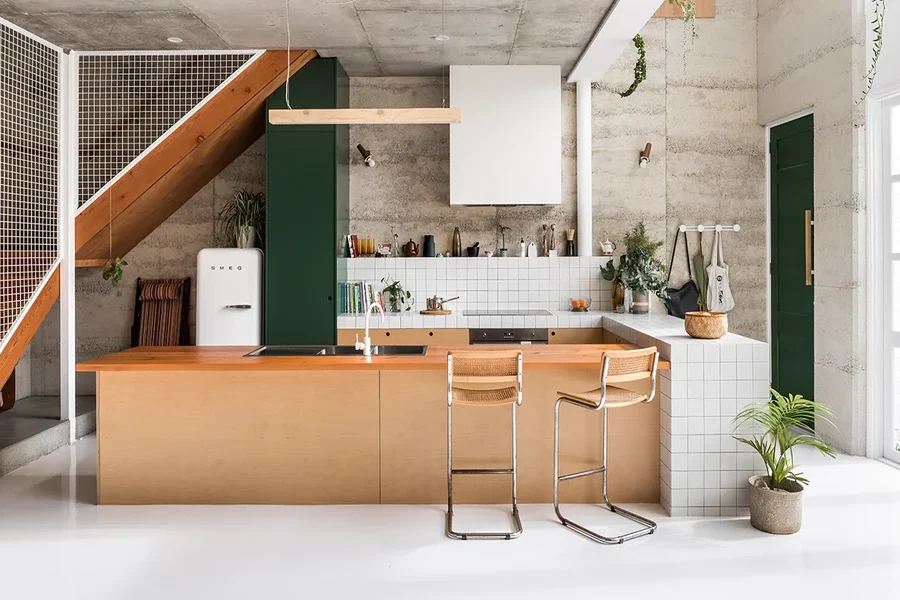
There is a reason remarkable kitchens rarely begin with a cabinet order.
They begin with a feeling.
Not the excitement of choosing finishes or the temptation of the newest design trend, but the quiet realization that a well-designed kitchen can change the rhythm of an entire home. It can shorten busy mornings, encourage longer conversations over dinner, make entertaining feel effortless, and transform everyday routines into experiences that feel surprisingly calm.
That is why visiting a kitchen showroom remains one of the most valuable steps in the design process.
A showroom is not simply a place to compare cabinetry. It is where ideas become tangible. Countertop materials can be touched rather than imagined. Drawers can be opened instead of described. Lighting can be experienced instead of rendered on a screen. The difference is subtle until you walk through a thoughtfully designed display-and then it becomes impossible to ignore.
“The finest kitchens are remembered for how they function, not simply for how they look.”
▌ EDITOR’S NOTE
Digital inspiration is useful for collecting ideas. A showroom is where those ideas are tested against real proportions, real materials, and the realities of everyday living.
Design Is Experienced Long Before It Is Measured
Homeowners often believe they’re searching for cabinets, countertops, or appliances.
In reality, they’re searching for confidence.
A beautifully photographed kitchen can create powerful expectations, but photographs rarely reveal what it feels like to prepare dinner with another person in the room. They don’t show whether an island interrupts movement, whether upper cabinets feel too dominant, or whether storage is organized in a way that actually supports daily routines.
Those answers only appear when you experience a space at full scale.
Walking through different layouts changes perspective. You begin noticing details that seemed insignificant online. A few extra inches around an island suddenly feel invaluable. Soft-close drawers become less of a luxury and more of an everyday convenience. Lighting transforms from decoration into architecture.
These discoveries explain why experienced designers encourage homeowners to move slowly through a showroom rather than rushing from display to display.
Observe.
Open every drawer.
Stand at the sink.
Imagine preparing breakfast.
Imagine unloading groceries.
Imagine hosting twelve guests during the holidays.
Great design reveals itself through use-not observation alone.
▌ HIGHLIGHT
Beautiful kitchens impress visitors. Exceptional kitchens quietly improve every ordinary day.
Bigger Isn’t Always Better-Better Curated Usually Wins
One of the most common assumptions homeowners make is that the bigest kitchen showroom automatically offers the best experience.
It often doesn’t.
A larger showroom may display more cabinetry, more finishes, and more appliance brands, but abundance alone rarely leads to better decisions. Too many similar displays can overwhelm rather than educate, leaving homeowners comparing colors instead of understanding design.
The strongest showrooms are carefully curated.
They present contrasting layouts instead of endless variations of the same concept. They demonstrate how lighting changes materials. They showcase storage systems that solve practical problems. They explain why two kitchens with nearly identical dimensions can feel completely different to live in.
The goal isn’t to display everything.
The goal is to teach homeowners how to recognize thoughtful design.
“Luxury begins the moment every decision has a purpose.”
▌ EDITOR’S NOTE
If every display feels impressive, look beyond appearance. Ask why each layout works. The explanation often matters more than the finish itself.
Regional Design Shapes Better Decisions
Every region develops its own relationship with the home.
Northern California is no exception.
Homes are increasingly designed around flexibility, natural light, and spaces that support both everyday routines and entertaining. Indoor-outdoor living influences circulation. Larger islands become gathering places rather than workstations alone. Durable materials matter because kitchens are expected to perform beautifully through years of constant use.
These regional priorities become especially apparent when visiting a kitchen showroom sacramento, where displays often reflect the architectural styles, climate, and lifestyles common throughout the area. Rather than simply presenting fashionable combinations of materials, many showrooms demonstrate how practical design choices respond to the way local homeowners actually live.
That distinction matters.
Good design follows trends.
Great design follows people.
▌ HIGHLIGHT
The most successful kitchens aren’t designed around products. They’re designed around habits.
Beyond Inspiration: Designing a Kitchen You’ll Still Love in Twenty Years
The most expensive mistake in kitchen design is rarely choosing the wrong countertop.
It is choosing a kitchen that solves today’s trend instead of tomorrow’s lifestyle.
Fashion changes quickly. Daily routines change slowly.
Families continue gathering around islands. Morning coffee still begins the day. Groceries still need a place to land. Storage remains valuable regardless of which cabinet color dominates social media next year.
The kitchens that age gracefully rarely demand attention. They quietly support life with thoughtful organization, durable craftsmanship, balanced proportions, and materials that become more appreciated over time rather than less.
That is the true purpose of a showroom.
Not to persuade homeowners to buy more.
To help them choose more wisely.
Because the most remarkable kitchens are never remembered for the number of cabinets they contain or the price of their countertops.
They are remembered for something much simpler.
They make everyday life feel effortlessly well designed.