
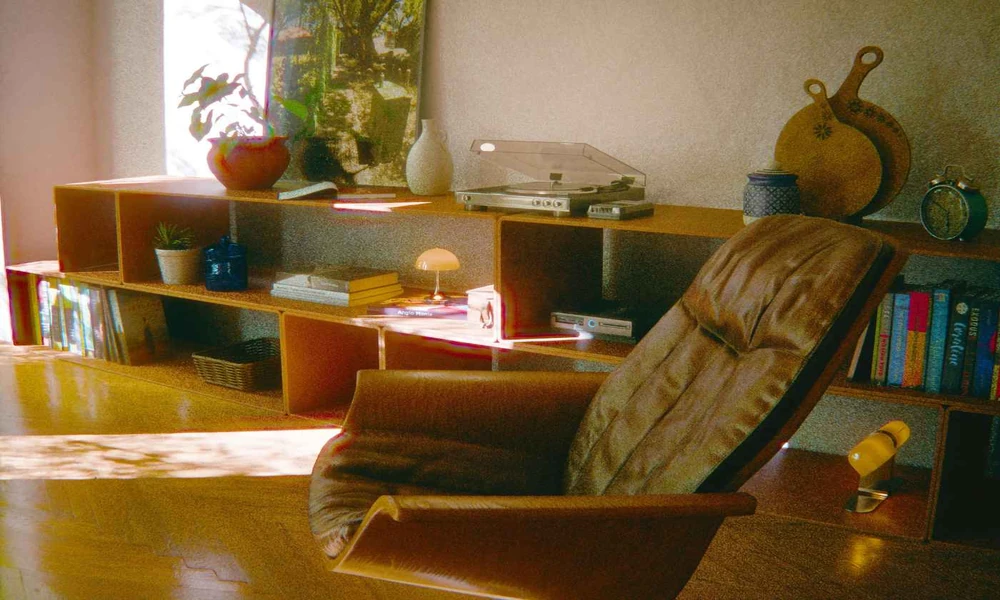

The design movement that emerged from Scandinavia and Europe during the postwar decades continues influencing how we furnish our homes today. Clean lines, organic curves, functional beauty and quality craftsmanship define pieces that feel as fresh now as when legendary designers first created them. Integrating these vintage treasures into contemporary spaces requires thoughtful consideration of how historic design principles complement current aesthetics. The result, when done well, creates interiors that honor the past while functioning perfectly for modern living.
Understanding the principles behind successful styling helps homeowners create cohesive spaces that showcase these timeless pieces.
Balancing Vintage and Contemporary Elements
Rooms furnished entirely with mid-century pieces can feel like museum exhibits rather than lived-in homes. The key to successful integration involves balancing vintage furniture with contemporary elements that create visual dialogue between eras.
Modern art on walls can complement the clean lines of a Danish credenza beautifully. Contemporary textiles in current colors update classic lounge chairs without compromising their design integrity.
Avoid matching everything too precisely. The contrast between a sculptural teak coffee table and a contemporary sofa often creates more visual interest than furniture from identical periods. These intentional juxtapositions make spaces feel curated rather than decorated.
Selecting Foundational Pieces
Not every piece in a room needs to carry the mid-century aesthetic. Choosing several strong foundational items creates focal points around which other elements can organize. A stunning credenza might anchor a living room while contemporary seating provides comfortable functionality.
Dining spaces often benefit from vintage tables surrounded by classic chairs that showcase the craftsmanship Scandinavian designers perfected. The warmth of teak or rosewood creates gathering spaces that feel inviting and timeless.
Storage pieces like bookcases, dressers and nightstands offer opportunities to introduce mid-century design without overwhelming rooms. These functional items provide the aesthetic while remaining subordinate to larger architectural statements.
Working with Wood Tones
The rich wood tones characteristic of mid-century furniture require attention to how they interact with other elements in rooms. Teak, walnut, rosewood and oak each bring distinct warmth that affects overall color palettes.
Avoid fighting against wood tones by selecting complementary wall colors. Neutral backgrounds allow furniture to command attention without competing against bright or clashing hues.
Choosing trusted companies like Mid Century Mobler ensures access to hand-selected pieces imported directly from Denmark, Sweden, Norway and other European countries where these design traditions originated. Their carefully curated collection maintains the quality and authenticity that distinguishes genuine vintage furniture from reproductions flooding the market.
Incorporating Period-Appropriate Lighting
Lighting design evolved alongside furniture during the mid-century era, and the fixtures from this period complement the furniture beautifully. Pendant lamps, floor lamps and table lamps from Scandinavian designers provide illumination while serving as sculptural elements.
The interplay between lighting and furniture creates atmosphere that overhead fixtures alone cannot achieve. A classic floor lamp beside a vintage lounge chair establishes reading nooks that feel intentionally designed rather than assembled randomly.
Consider mixing vintage lighting with contemporary options when period pieces prove difficult to source or when specific lighting needs demand modern solutions.
Arranging for Conversation and Flow
Mid-century designers prioritized function alongside form, creating furniture intended to facilitate human interaction. Arranging these pieces to encourage conversation honors their original purpose while creating welcoming environments.
Position seating to face each other rather than orienting everything toward television screens. Coffee tables should remain accessible from multiple seats, serving their intended role as gathering points for drinks and conversation.
Leave adequate space between pieces for movement. The openness characteristic of mid-century interiors came partly from generous spacing that prevented rooms from feeling cluttered despite substantial furniture presence.
Accessorizing Thoughtfully
Accessories complete rooms but can overwhelm mid-century furniture when applied too liberally. The design philosophy emphasized restraint and purpose, qualities that accessorizing should respect.
Pottery, art, textiles and plants all complement vintage furniture when selected carefully. Each addition should earn its place rather than filling space for its own sake.
Vintage accessories from the same era often harmonize naturally with furniture from that period. Ceramics, artwork and decorative objects from the mid-century complement furniture aesthetics while adding personality that purely functional pieces cannot provide alone.
Maintaining Authenticity Over Time
Quality mid-century furniture represents craftsmanship worth preserving. Proper care ensures these pieces continue serving future generations as beautifully as they serve current owners.
Wood furniture benefits from appropriate cleaning and occasional conditioning that maintains finish integrity. Upholstered pieces may need recovering eventually, providing opportunities to update fabrics while preserving classic frames.
The investment in authentic vintage furniture pays dividends through durability that mass-produced contemporary alternatives rarely match. Pieces that have already survived decades often outlast new furniture purchased to replace them.




Leave a Comment