
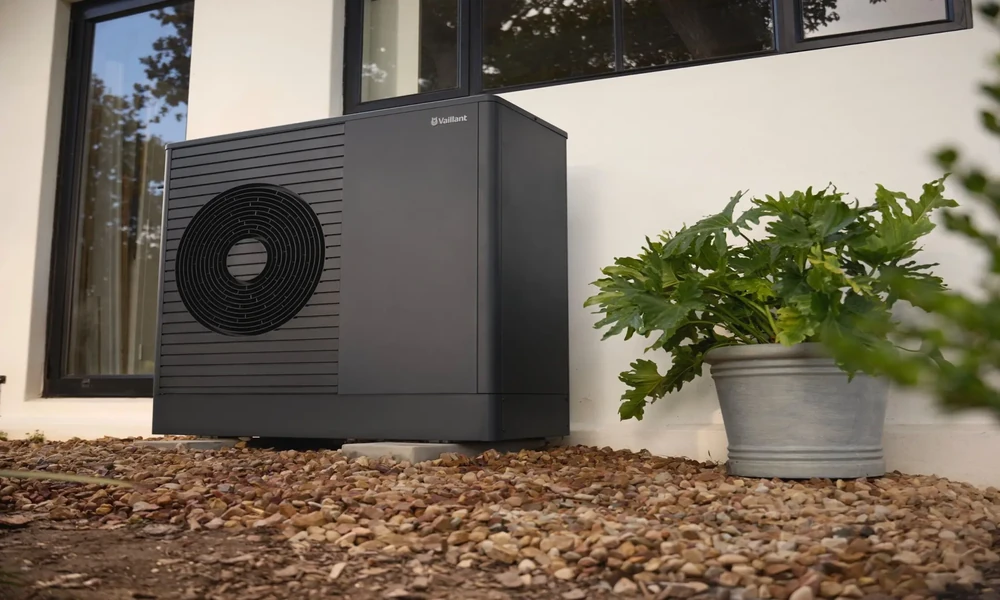

Somewhere in Morris County this winter, a homeowner is going to watch the oil truck back down the driveway, check the price per gallon on the delivery ticket and decide that this tank fill will be the last. It’s a common moment in the older parts of North Jersey, where gas mains never reached a lot of streets and oil boilers have been heating colonials and lake cottages for half a century. The harder question comes next. What has to change in the house before a heat pump can take over?
The answer involves both trades at once, which is part of why Protocol Services – Electric & Air gets these calls. The veteran-owned Rockaway contractor has been around since 2011, and it holds both a New Jersey HVAC license and an electrical license. Its crews work on boilers, furnaces and Carrier heat pumps alongside panel upgrades, rewiring and knob-and-tube replacement, which suits a conversion where the heating plan and the wiring plan have to agree. That overlap matters because a heat pump conversion is really four or five smaller projects, and an oil home tends to hide surprises in each one.
How Leaky Is the House Wrapped Around It?
A heat pump is easiest to size for a house that holds onto its heat. Many oil homes in Denville, Randolph and the lake communities date from the 1920s through the 1960s. Some have no wall insulation at all, attic floors with a few inches of old rock wool, and basements open to stone foundations. An oversized oil boiler could cover for all of that by burning more fuel. A heat pump sized to a drafty house ends up larger and more expensive than it needs to be.
That’s why an energy assessment comes first. It measures air leakage with a blower door and points out where insulation and sealing will pay off. In New Jersey that step is also the entry point to the state’s largest rebate program, so it does double duty.
Radiators, Baseboard or Ducts?
Here’s where oil homes differ most from the gas-forced-air houses that heat pump marketing usually assumes. Most North Jersey oil systems are boilers sending hot water through baseboard or cast iron radiators, and there’s no ductwork to work with. That leaves a few real paths.
If the house already has central air ducts in the attic, a ducted heat pump can replace the AC and take over heating, though attic ducts in a cold climate need to be well sealed and insulated. Ductless mini-splits mount a head in each main zone and have become the most common route for homes with radiators. A hybrid approach keeps the boiler as backup for the coldest nights and lets heat pumps carry the shoulder seasons, which cuts oil use sharply without removing it entirely. Air-to-water heat pumps that feed the existing radiators are available too. They’re still less common here and work best with large radiators or radiant floors that are happy with lower water temperatures.
Cold-climate models matter in this part of the state. Winter design temperatures in Morris and Sussex counties sit in the single digits, and units rated to keep strong output well below zero handle that without leaning on backup heat.
Can the Electrical Service Carry the New Load?
Oil homes often have the smallest electrical services in the neighborhood because almost nothing in them ran on heavy electric loads. A 100-amp panel was plenty when the boiler, the water heater and the stove all burned fuel. A conversion changes that, and an electrician will add up every large load the house will have afterward, such as:
- Outdoor heat pump units and any indoor air handlers
- Electric backup heat strips, if the design includes them
- A heat pump or electric water heater replacing the boiler’s coil
- An EV charger already in the garage or planned soon
- Electric range, dryer, well pump and central air that stays
Electricians use a standard load calculation from the electrical code to show whether the existing service can handle it all. Sometimes it can, especially with mini-splits, which draw modest power. Often the answer is a 200-amp upgrade, which means coordinating with JCP&L or PSE&G for a new service drop and meter. Old panels raise their own problems. Brands like Federal Pacific and Zinsco have well-known reliability issues, and knob-and-tube wiring hidden in the walls of older homes shouldn’t have new loads added to it.
Who Makes the Hot Water Now?
People forget about this until the boiler is gone. Many oil boilers heat domestic water through a tankless coil inside the boiler itself. Take the boiler out and the showers go cold. Plan for a separate water heater as part of the conversion. A heat pump water heater is the natural partner, pulling heat from basement air and running far more efficiently than a standard electric tank, though it needs a 240-volt circuit, some floor space and a drain for condensate.
What Happens to the Tank?
Every oil conversion ends with a tank, and in New Jersey that tank carries more weight than most homeowners expect. Basement tanks are usually simple to pump out, cut up and haul away. Buried tanks are another matter. The state treats residential heating oil tanks as unregulated, but closing an underground one still involves specific steps.
- Hire a contractor certified for underground tank closure.
- Pull the local construction permit for removal or abandonment.
- Pump the tank empty, then remove it or fill it in place.
- Have the town inspect the closure and keep the records.
- If a leak is found, follow the state cleanup process.
The NJDEP’s homeowner guide on unregulated heating oil tanks explains who can do the work and what happens if soil testing finds a discharge. Removing a tank tends to be the safer long-term choice even though abandonment in place is allowed, because insurers and buyers’ lenders increasingly ask for buried tanks to be gone, and a tank sweep is a routine part of selling a home in Morris County.
Making the Numbers Work in a Changed Year
The federal tax credit that used to cover part of a heat pump expired at the end of 2025, so funding now comes from the state and the utilities. New Jersey’s Whole Home program pays rebates based on how much total energy a project saves, which rewards pairing a heat pump with insulation and air sealing over swapping equipment alone. Electric utilities add their own heat pump incentives, and income-qualified households can get more. Some homes also qualify for help with the electrical panel itself.
All of these pieces fit together. Sealing the house shrinks the heat pump you need, which may let the existing electrical service stay as it is. Choosing mini-splits might mean keeping the boiler as backup for a few winters, so the tank stays in service a bit longer. Planning the whole thing at once, instead of one replacement at a time, is what turns that last oil delivery into a smooth transition rather than a cold January scramble.

Leave a Comment