
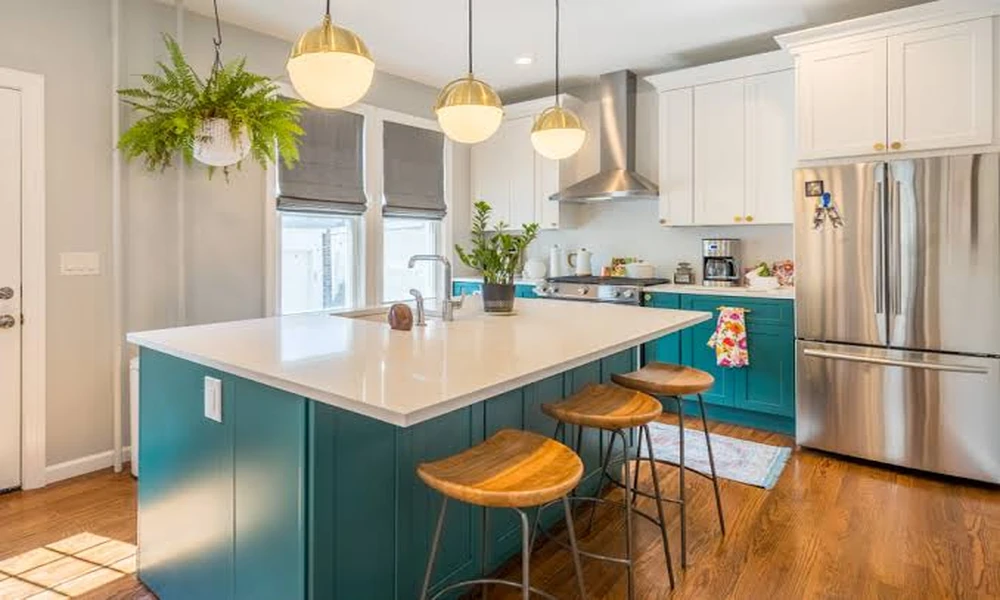

A remodeling project is one of the biggest financial decisions a homeowner makes, and the person you hire matters as much as the materials you pick. A beautiful tile pattern means little if the permit was skipped, the insurance lapsed or the contract left out key details. Good planning starts with the contractor, not the cabinet catalog.
The questions to ask are the same wherever you live. Whether you are searching for an East Orange remodeling contractor or comparing options in a neighboring town, the checklist below helps you separate dependable professionals from risky ones before any money changes hands.
New Jersey has some of the clearer consumer protection rules in the country, so it pays to know them. Here is where to begin.
Start With State Registration
In New Jersey, businesses that sell or make home improvements must register with the state Division of Consumer Affairs. The Division’s Contractors’ Business Registration Act FAQ explains that “home improvements” cover remodeling, painting, repairs and additions, including basements, garages and flooring. Registration is renewed annually, and a business that operates without it faces penalties of up to $10,000 for a first offense.
Part-time and out-of-state contractors are not exempt. If they work on residential property in New Jersey, they must register too. A registered contractor must also display the registration number on advertisements, business cards, vehicles and documents, so asking to see it is a reasonable request.
Insurance and Financial Backing
Registration is tied to other protections that safeguard you if something goes wrong. According to the same state FAQ, registered contractors must show:
- Commercial general liability insurance of at least $500,000 per occurrence
- Workers’ compensation insurance, unless the law exempts them
- Additional security, such as a bond or letter of credit, scaled to the size of their contracts
Ask for a copy of the insurance certificate and confirm it is current. If a worker is injured on your property or a pipe bursts during demolition, this coverage decides who pays.
Comparing Estimates Fairly
Get at least three written estimates, and compare them line by line rather than by the bottom number alone. A low bid sometimes leaves out items that a higher bid includes.
| What to compare | Why it matters |
|---|---|
| Scope of work | Confirms demolition, cleanup and trash removal are included |
| Material allowances | A low allowance can mean upgrade charges later |
| Permit handling | Shows who pulls permits and who pays for them |
| Timeline | Reveals how realistic the schedule is |
| Payment schedule | Tied to completed stages, not just calendar dates |
If one estimate is far lower than the rest, ask why. Sometimes there is a good explanation, such as a simpler material choice. Sometimes corners are being cut.
What a Solid Contract Includes
New Jersey requires a written contract for home improvement work costing more than $500. Even for smaller jobs, a written agreement protects both sides. A thorough contract usually covers:
- The contractor’s name, address, phone number and registration number
- A detailed description of the work and the specific materials, brands and models
- Estimated start and completion dates
- The total price and a payment schedule linked to progress
- How change orders are written, priced and approved
- Warranty terms for both materials and workmanship
- Who handles permits, inspections and site cleanup
Read it fully before signing, and never sign a document with blank spaces. Anything promised in conversation should appear on paper.
Extra Care for Older Homes
Many homes in the area were built decades ago, which raises another issue: lead-based paint. The U.S. Environmental Protection Agency explains in its Renovation, Repair and Painting Program guidance that anyone paid to disturb painted surfaces in homes built before 1978 must be certified in lead-safe work practices. Sanding or demolishing old paint without proper containment can spread dangerous dust through the house.
When you interview contractors for an older property, ask directly whether their crew is lead-safe certified. A confident, specific answer is a good sign. Vague replies are not.
Warning Signs Worth Respecting
Trust your instincts if you see any of these:
- Pressure to decide on the spot or sign today for a special price
- A request for a large upfront payment or payment in cash
- No registration number, no insurance proof or only a post office box as an address
- Reluctance to provide references or put promises in writing
- A suggestion that you pull the permits yourself
Common Questions
How much should I pay upfront?
There is no single number, but be cautious about large deposits. Tie payments to finished stages of work so that your money follows real progress.
Do I need permits for a kitchen or bathroom remodel?
Many projects do, especially those involving electrical, plumbing or structural changes. A reliable contractor will explain which permits apply and who handles them.
What if something goes wrong?
Start by raising the problem with the contractor in writing and keep copies. If it is not resolved, the state Division of Consumer Affairs accepts complaints about home improvement work.
The Bottom Line
Choosing a remodeler is mostly a matter of verification. Confirm registration, review insurance, compare detailed estimates, insist on a clear written contract and ask about lead safety if your home is older. A few hours of homework before signing can save thousands of dollars and months of frustration afterward.


Leave a Comment