
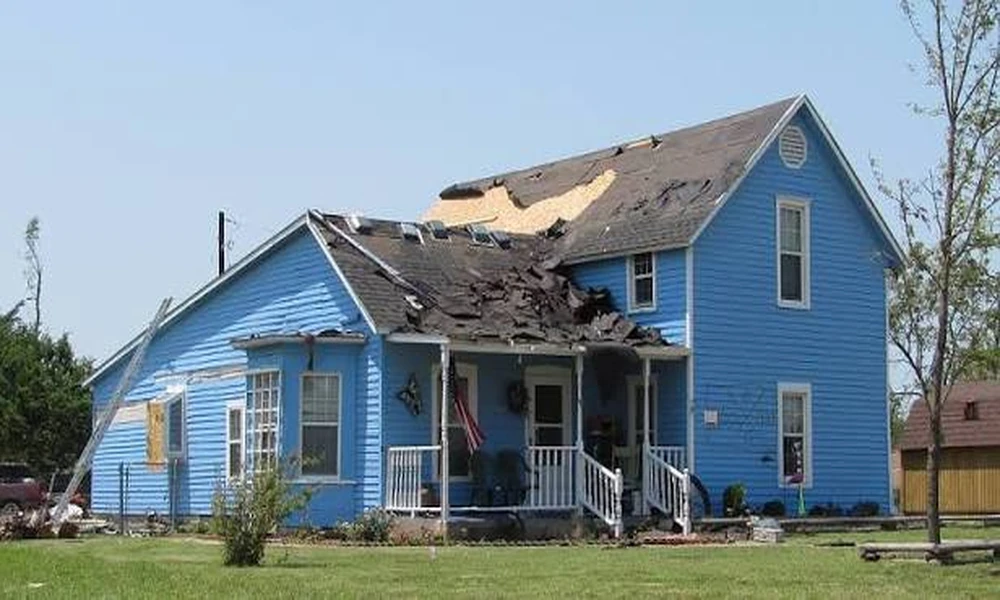

North Central Kansas roofs take more abuse in a single year than roofs in most of the country. Spring supercells drop hail across the Smoky Hills. Summer afternoons bake asphalt under gusty southerly winds. Winter swings above and below freezing often enough to work water into every weak seam. The hard part is that storm damage rarely announces itself. A roof can look fine from the driveway while it loses granules, cracks at the mat, or carries wind-lifted tabs that will fail at the next gust. Matching each symptom to its real cause is what separates a quick, inexpensive repair from a denied claim or a leak that slowly rots the decking.
That kind of careful reading is the daily work of Uhl Construction and Roofing. The company is based in Wilson and has more than 25 years in hail restoration. Its crews inspect houses and commercial buildings throughout North Central Kansas and document storm damage in a format adjusters can follow. They take on everything from single repairs and scheduled maintenance to complete replacements. If something on your roof fits one of the patterns below, calling (785) 658-5589 for an inspection is the simplest way to stop a small problem before it turns into a stained ceiling.
Why symptoms get misread
Hail size and wind direction shape almost everything you see afterward. According to hail basics from NOAA’s National Severe Storms Laboratory, hail an inch across (about quarter size) or larger counts as severe. The same source notes that hail carried sideways by strong wind can shred siding and break windows. On a roof, that means the slopes facing the storm can be badly bruised while the opposite slopes look untouched. Owners who check only the side they can see from the yard often reach the wrong conclusion.
Granules collecting at the downspouts
What you see. Dark, sandy grit piles up at gutter outlets and splash blocks. Some shingles show shiny black patches.
What usually causes it. Hail knocks granules loose where it strikes, which leaves random, roughly circular marks that feel soft when pressed. On a roof older than about fifteen years, steady granule loss on the south and west slopes is more likely sun aging than storm impact.
What fixes it. A random impact pattern calls for photos and a professional inspection before anything is repaired. Even, age-related wear calls for a replacement plan rather than an insurance claim.
Creased or missing tabs on the windward side
What you see. Shingles with a horizontal crease line, or bare strips where tabs blew away.
What usually causes it. Wind lifted the tab past its sealant strip and bent it. This happens often on roofs installed in cold months, when the adhesive never fully bonded.
What fixes it. A few creased tabs can be replaced individually if the surrounding shingles are still flexible and a reasonable color match exists. Widespread creasing across a slope usually means replacing that slope, because new tabs will not seal well to brittle neighbors.
Dented metal with shingles that look fine
What you see. Pocked gutters, dented roof vents, flattened air conditioner fins.
What usually causes it. Soft metal records hail better than asphalt does. Adjusters use these marks as collateral evidence of stone size and storm direction.
What fixes it. Treat the dents as a signal to look harder at the shingles, not as proof of roof damage. Owners with metal roofing should read their policy closely, because cosmetic damage exclusions for dented panels have become more common in Kansas homeowners policies in recent years.
A ceiling stain weeks after the storm
What you see. A brown ring on drywall that shows up long after the weather cleared.
What usually causes it. It is often not hail at all. Cracked rubber pipe boots, loose chimney flashing, and winter ice backing up under shingles at the eaves are frequent culprits. Hail can split an aging pipe boot, so timing alone can mislead.
What fixes it. Replacing a pipe boot is a small job. Flashing may need resealing or new metal. Either way, the decking underneath should be checked for moisture before the stain is painted over.
Soft spots underfoot
What you see. Decking that flexes when walked on, or a visible sag between rafters.
What usually causes it. A long-term slow leak, poor attic ventilation, or the extra weight of multiple shingle layers.
What fixes it. Damaged decking has to be cut out and replaced. Kansas has no statewide residential building code, so reroofing permits and layer limits depend on what your city or county has adopted. Where the International Residential Code applies, a new roof generally cannot go over two existing layers. A quick call to the local city office settles the question.
Bruised or ponding membrane on a flat commercial roof
What you see. Standing water that lingers two days after rain, small punctures, or soft spots in modified bitumen or single-ply membrane.
What usually causes it. Hail can fracture membranes and crush insulation boards without leaving obvious marks on the surface.
What fixes it. A moisture survey or core samples show whether the insulation is wet. Dry insulation may allow a patch or recover. Wet insulation usually means tearing off down to the deck.
Telling look-alikes apart
| Clue | Easy to confuse with | How a pro tells them apart | How quickly to act |
|---|---|---|---|
| Black spots on shingles | Blistering from heat | Hail marks are random and soft; blisters are raised and clustered | Within weeks |
| Creased tabs | Normal shingle curl | Creases are sharp lines; curling is gradual cupping at edges | Before the next windy spell |
| Dented vents | Old denting from past storms | Fresh dents show bright metal and line up with storm direction | Document right away |
| Ceiling stain | Plumbing or HVAC condensation | Stains tied to rain events and roof penetrations point upward | Immediately |
| Ponding water | Normal runoff | Water still standing after 48 hours signals a sag or drain problem | Before freeze season |
Timing, paperwork and who works on the roof
The order of steps matters as much as the diagnosis. The homeowners claim settlement checklist from the Kansas Department of Insurance advises photographing damage, making temporary repairs to prevent further harm, and keeping receipts. It also warns that permanent repairs made before the insurer inspects can lead to a denied claim. The same guidance notes that insurers in Kansas have 30 days to complete an investigation or explain the delay. Most policies also set their own deadline for reporting storm damage, so waiting a full season can cost you coverage.
Choosing who climbs the ladder carries legal weight in Kansas too. State law requires roofing contractors to register with the Attorney General. The Attorney General’s roofing guidance for consumers explains how to confirm a company’s registration shows good standing before you sign anything. After a big hail event, crews from out of state often arrive within days, and an unregistered crew leaves you with little recourse if shingles fail the following spring. A registered local inspector who reads the roof correctly the first time is the most reliable protection a North Central Kansas property owner has.



Leave a Comment