

Renters account for around 43 percent of Riverside households, by Census Bureau estimates, and the median gross rent is close to $1,914 a month. UC Riverside adds to the churn, enrolling 27,633 students in fall 2025, so the city’s apartments and rental homes change hands often. Used furniture and frequent moves travel right along with that turnover. Understanding how pest control Riverside works in a rental, who reports a problem and who pays to treat it, spares a tenant significant time and stress.
The Bed Bug Disclosure California Landlords Must Provide
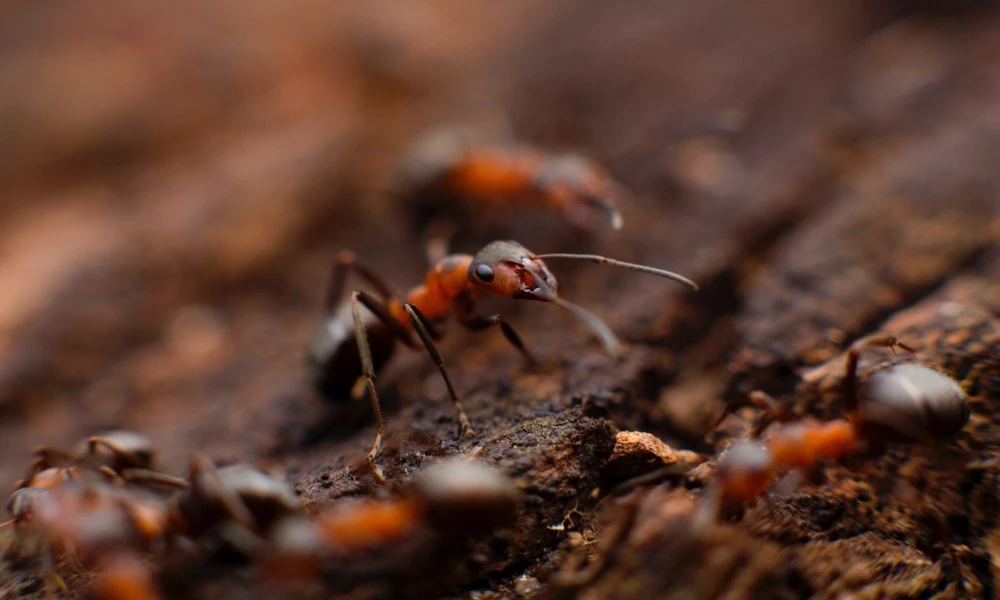
Since July 1, 2017, California has required residential landlords to hand every new tenant written information about bed bugs before the lease begins. The requirement lives in Civil Code section 1954.603, added by Assembly Bill 551, and the notice has to be printed in at least 10-point type. It must explain how to recognize bed bugs and how to report a suspected problem to the landlord. The statute even describes the insect in plain detail. An adult bed bug is about a quarter inch long and reddish-brown. A female lays one to five eggs a day. The young reach adulthood in about 21 days, and an adult lives around 10 months and can go months without a meal.
How Pests Move Between Apartments
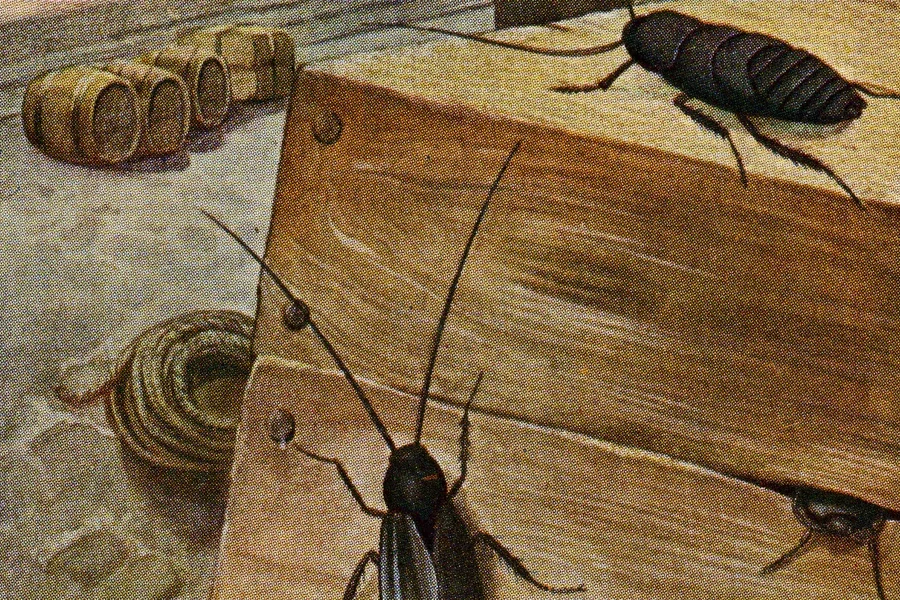
In a multi-unit building, one apartment’s problem rarely stays put. Bed bugs move along baseboards, slip through shared wall voids, and travel inside the pipes and conduits that connect units. German cockroaches follow the same paths, working their way through plumbing chases from one kitchen to the next. This is why treating one apartment on its own so often fails. The pests retreat next door and return once the treatment wears off. Sometimes the problem extends across a whole floor, so treating one unit alone will not keep it clear.
What Happens During Rental Treatment
Getting a rental treated depends on when the landlord can provide access and whether nearby tenants can do the same. A technician may use heat, targeted applications, or both, depending on where the bugs are found. Heat treatment can reach eggs and hiding places that a spray may leave behind. A follow-up visit two or three weeks later is often needed. Before treatment, tenants may have to wash bedding on high heat, bag their belongings, and move clutter out of the way. In an apartment building, the units next door, above, and below should also be checked. Bed bugs can move between units, so treating just the apartment where they were first spotted may leave the infestation in place.
Who Handles Bed Bugs: Tenant or Landlord?
California’s implied warranty of habitability obliges landlords to keep rental housing livable, and that duty covers infestations a tenant did not cause. Tenants carry responsibilities of their own:
- The landlord must provide the bed bug notice, keep units pest-free between tenants, and arrange professional treatment across affected units.
- The tenant should report signs in writing as soon as they appear, allow access for inspection and treatment, and prepare the unit as directed.
- Both sides benefit from dated records, because disputes usually turn on who knew what and when.
A Riverside company like Akela Pest Control can coordinate treatment across all the affected units at once, something spot-treating one apartment can never accomplish.
Steps To Take Before and After Signing a Lease
Before signing the lease, take a few minutes to look through the unit. Check the seams of any mattress left behind, carpet edges, behind headboards, and under the kitchen sink for live bugs or droppings. Ask the landlord whether the building has had bed bugs before and whether any treatment was done recently. After moving in, keep the bed bug notice with your lease. If you spot anything suspicious, tell the landlord in writing and keep a copy. Keep a copy of the report in case there is a dispute later. Reporting the problem early also gives the landlord time to arrange treatment before the bugs reach other units.


Leave a Comment