

What Constitutes Secondary Exposure
Secondary asbestos exposure, sometimes called secondhand or domestic exposure, happens when people come into contact with asbestos fibers that were brought home by someone who was directly exposed elsewhere. Usually, this means a family member unknowingly inhales or touches dust shaken from contaminated clothes, tools, or personal belongings. It’s not the same as working directly with asbestos materials—it’s more about regular household interactions that let the fibers spread. For example, wives washing work uniforms, kids hugging their dad after a shift, or simply dusting off furniture can all be ways asbestos sneaks into family life. If you didn’t handle asbestos yourself, but lived with someone who did, that’s considered secondary exposure. There’s more background on this in the context about how asbestos fibers travel.
Common Sources Within Households
Older homes can hide plenty of risks for secondary exposure. Some of the most likely spots or situations include:
- Work clothes or shoes covered with dust after a shift at an asbestos-related job
- Fabric-covered furniture or carpets where contaminated fibers settle
- Laundry rooms and hampers storing unwashed workwear
- Family cars where dusty uniforms get tossed on seats
- Shared bathrooms, especially if the worker showers and leaves fibers behind
Basically, any place that collects and spreads dust or small lightweight particles can turn into a hotspot. Even pets might spread fibers if they roll around or sleep in piles of dirty clothes.
Key Distinctions From Primary Exposure
It helps to know the difference between primary and secondary exposure:
- Primary exposure: Direct contact with asbestos—like construction workers, insulators, or anyone cutting into old drywall.
- Secondary exposure: Indirect contact, meaning someone else brings the risk home and others get exposed just by living together.
- Primary exposure is usually job-related; secondary often happens at home or in the car.
The effects can be just as serious, but people hit by secondary exposure rarely realize the danger until much later. That delay can make diagnosis and tracing the source trickier, and it’s a big reason why awareness about secondary exposure is growing today.
How Secondary Asbestos Exposure Occurs in Residential Settings
Secondary asbestos exposure is a lot more common in older homes than most people realize. The real issue comes from how tiny asbestos fibers, brought in from workplaces or other sources, make their way into living spaces—sometimes sticking around for decades. Family members can unknowingly breathe in these invisible fibers, long after the initial exposure. Here’s how it usually happens in day-to-day home life.
Transmission Through Contaminated Clothing and Items
A major way asbestos travels into households is on clothing, shoes, and even lunchboxes of someone working with or around asbestos. When these items come home, so do the fibers. Picture someone tossing their work shirt into the laundry basket or kicking off dusty boots at the door. All those activities can shake off asbestos fibers, spreading them into the air or onto other items. Some real-world examples include:
- Washing or handling dirty work uniforms or protective gear
- Sharing furniture with someone wearing contaminated clothes
- Picking up personal items, like hats or coats, that have trapped asbestos dust
Laundry day can be especially risky—when someone shakes out or washes work clothes, fibers may become airborne and linger in the laundry room.
Shared Household Surfaces and Environments
Even if only one person brings asbestos into the house, it doesn’t stay isolated to that person’s corner. Fibers are notorious for sticking to all sorts of surfaces and then spreading as people go about their routines. Simple daily activities can lead to further exposure:
- Vacuuming or sweeping, which stirs up settled dust containing asbestos
- Kids playing or crawling on floors where fibers have settled
- Hugs or physical contact with someone carrying fibers on their clothing
It may not seem like much at the time, but over years, repeated low-level contact can add up to significant exposure for everyone in the household. Secondary asbestos exposure happens more often in homes with older construction materials or those with a history of workplace exposure among family members.
Environmental Contamination in and Around Older Homes
It’s not just personal items and inside surfaces—sometimes the environment around homes can be a source of risk too. Older buildings often have insulation, tiles, or roofing made with asbestos. If these materials get damaged or start to break down, small fibers can get released into the air and then tracked inside the house on shoes, pets, or even just an open window on a windy day. Key situations include:
- Home repairs, renovations, or demolition that disturb asbestos-containing materials
- Living near an old asbestos mine or manufacturing site
- Outdoor dust from contaminated soil making its way indoors
When the threat is coming from both inside and outside, it takes extra steps to spot these hazards, and families may not even realize the risk is there until a health issue appears years later.
Populations Most Vulnerable to Secondary Asbestos Exposure in Older Homes
Women and Children in Affected Households
It might surprise some people, but women and children are often the most impacted by secondary asbestos exposure in homes built decades ago. When family members came home from jobs dealing with asbestos—like construction or shipyards—fibers would hitch a ride on clothing, shoes, and even in hair. Women usually handled laundry, so they’d shake out or wash contaminated clothes, often breathing in the invisible dust. Kids, playing on floors or hugging parents, had direct contact with these same particles.
- Women doing laundry or cleaning frequently disturbed asbestos fibers brought in by family
- Children often came into close personal contact with exposed workers before clothing was changed
- Vulnerability was higher in households with minimal awareness of the risks
For additional background on who faced regular and indirect risk, read about how certain tradespeople faced routine asbestos exposure in roles like plumbing and electrical work.
Residents Near Asbestos Mines or Factories
If someone lived near an asbestos mine or a factory using the material, they could be exposed secondhand without ever setting foot inside. Dust from mining or manufacturing settled on playgrounds, lawns, and inside homes. Even being nearby meant fibers could float in through open windows and doors, or stick to pets and objects brought inside. Some regions with heavy mining history—places like Libby, Montana—saw entire towns affected, not just individual families.
Role of Occupational Take-Home Exposure
Take-home exposure isn’t just a thing of the past—it’s a real problem even now for families of people working with older buildings. This happens when someone, often working in jobs involving renovation, insulation, or demolition, brings asbestos dust home on their belongings. While the worker faces the highest risk, everyone under the same roof ends up at risk too. Here’s how it typically happens:
- Worker wears contaminated clothes or boots home.
- Family interacts with these items, sometimes laundering or storing them with other clothes.
- Dust spreads to sofas, beds, or shared surfaces, where it can be easily breathed in.
Even a small amount of asbestos dust carried home regularly can put entire households at risk.
Secondary exposure isn’t rare, and it certainly doesn’t only affect people who directly worked with asbestos. The reach goes further, impacting family, neighbors, and communities.
Health Effects Linked to Secondary Asbestos Exposure in Older Homes
Secondary asbestos exposure can have serious long-term health effects, even for people who have never worked directly with asbestos. Living in an older home where someone brings in fibers from the workplace or where old materials are disturbed puts everyone at risk. The trouble with asbestos is that it breaks into tiny, invisible fibers that get stuck in the lungs and are very hard for the body to remove. Over time, these fibers can cause different health problems—even if exposure was never direct or heavy.
Risks of Mesothelioma and Lung Cancer
Mesothelioma, a rare and aggressive form of cancer, is one of the most well-known diseases linked to asbestos. It can develop from even low-level or indirect contact with asbestos fibers. Besides mesothelioma, there is also an increased risk of lung cancer. Both cancers can take decades to develop, so a person may not realize the risk until many years after living with or near someone who worked with asbestos products.
Development of Asbestosis and Pleural Plaques
Inhaling asbestos doesn’t only risk cancer. Asbestosis is a serious lung disease caused by scar tissue building up from asbestos fibers. This scarring makes it harder to breathe and can get worse over time. Another common finding on chest scans is pleural plaques—these are thick, chalky areas on the lining of the lungs or diaphragm. While pleural plaques are not cancer, they do mean that someone has had exposure and faces greater risks down the line. Common asbestos-related diseases from secondary exposure include:
- Mesothelioma (affecting the lining of the lung or abdomen)
- Lung cancer
- Asbestosis (chronic lung scarring)
- Pleural effusion (fluid buildup around the lungs)
- Pleural plaques
Why Secondary Exposure Can Be Overlooked
A major problem with secondary exposure is that it’s often overlooked. Most people don’t recognize that daily activities like doing a family member’s laundry or cleaning the house can lead to exposure, especially when fibers are invisible and don’t cause immediate symptoms. Often, doctors may not suspect asbestos as the cause of an illness in people who never worked directly with it. This makes early detection tricky, and people may be diagnosed at a more advanced stage. Bottom line: anyone living in a home with a history of asbestos, or with someone who worked around it, should be aware of these hidden risks.
Warning Signs and Diagnosis of Asbestos-Related Diseases
People often miss the early signs tied to asbestos-related illnesses, especially in situations where exposure is secondary rather than direct. This is partly because symptoms develop slowly and can easily be mistaken for other common respiratory issues. Some (but not all) symptoms that can show up after years of unknowingly breathing in asbestos fibers include:
- Shortness of breath, especially during mild activity
- A persistent dry cough that won’t go away
- Chest pain or tightness, sometimes accompanied by discomfort around the ribs
- Unexplained weight loss or a sudden decrease in appetite
- Crackling sounds in the lungs when taking deep breaths
- Clubbing, or the abnormal rounding of fingertips and toes (this usually happens in advanced cases)
If any of these symptoms match what you’re experiencing and you’ve lived in an older home or with someone who worked with asbestos, it’s important to take them seriously and talk to your doctor. More information on this topic can be found by checking out shortness of breath and cough details here.
Challenges in Early Detection
Spotting asbestos-related disease early is tricky. The first signs can seem like everyday fatigue or a mild chest infection, so folks might not seek help until things are much further along. Here’s why early detection can be so tough:
- Most symptoms show up 10 to 40 years after exposure, making the connection hard to spot
- Common complaints like coughing and chest pain might be blamed on aging, smoking, or allergies
- Routine medical tests might not catch the unique damage asbestos can cause in the lungs right away
- Asbestos fibers are tiny and invisible, so people may not know they were exposed at all
Importance of Medical Consultation for At-Risk Groups
Anyone who suspects they were exposed to asbestos, even if it was just by living with someone who handled it, should check in with a healthcare provider regularly. Here are the key steps:
- Discuss your potential exposure history—even if it happened years ago or through someone else
- Ask about medical exams like chest X-rays, CT scans, and breathing tests (pulmonary function tests)
- Keep a record of any changes in symptoms, even if they seem small
Sometimes, doctors can detect fluid buildup around the lungs or see early damage on scans before symptoms become severe. That’s especially true for rare cancers like mesothelioma, which can start with subtle issues like pain in the side or shortness of breath. If you want to learn about symptoms tied to mesothelioma in particular, read about common warning signs described in this resource.
Even though there’s no way to reverse lung damage from asbestos, early diagnosis can open up more options for managing symptoms and possibly slowing things down. Regular checkups matter—especially if you’re in an older home or your loved one brought home asbestos fibers from work.
Strategies to Minimize Secondary Asbestos Exposure in Older Homes
Safe Laundry and Cleaning Practices
When dealing with older homes, especially those that might have had occupants working in industries where asbestos was common, laundry and cleaning practices become really important. Asbestos fibers can easily cling to clothes, towels, and even household dust. It’s vital to handle these items with care to avoid spreading microscopic fibers throughout the living space.
- Laundry: If you suspect clothing or linens may be contaminated, avoid shaking them out indoors. It’s best to wash them separately from other laundry. Using a “rinse” cycle before the main wash can help remove loose fibers. Consider using a wet cloth to wipe down the washing machine and dryer after use.
- Cleaning: Regular dusting and vacuuming are good, but using the right methods is key. Wet dusting with a damp cloth is more effective than dry dusting, as it traps fibers instead of scattering them. If using a vacuum cleaner, ensure it has a HEPA filter, which is designed to capture very fine particles.
- Personal Items: Items like shoes, tools, or even pet fur can carry asbestos fibers. Regularly cleaning these items, perhaps with a damp cloth or a specialized vacuum attachment, can help reduce the risk.
Recognition and Management of Asbestos-Containing Materials
Identifying potential sources of asbestos in an older home is the first step toward managing the risk. Many building materials used before the 1980s contained asbestos, and they often remain undisturbed and harmless if left alone. However, knowing what to look for is important.
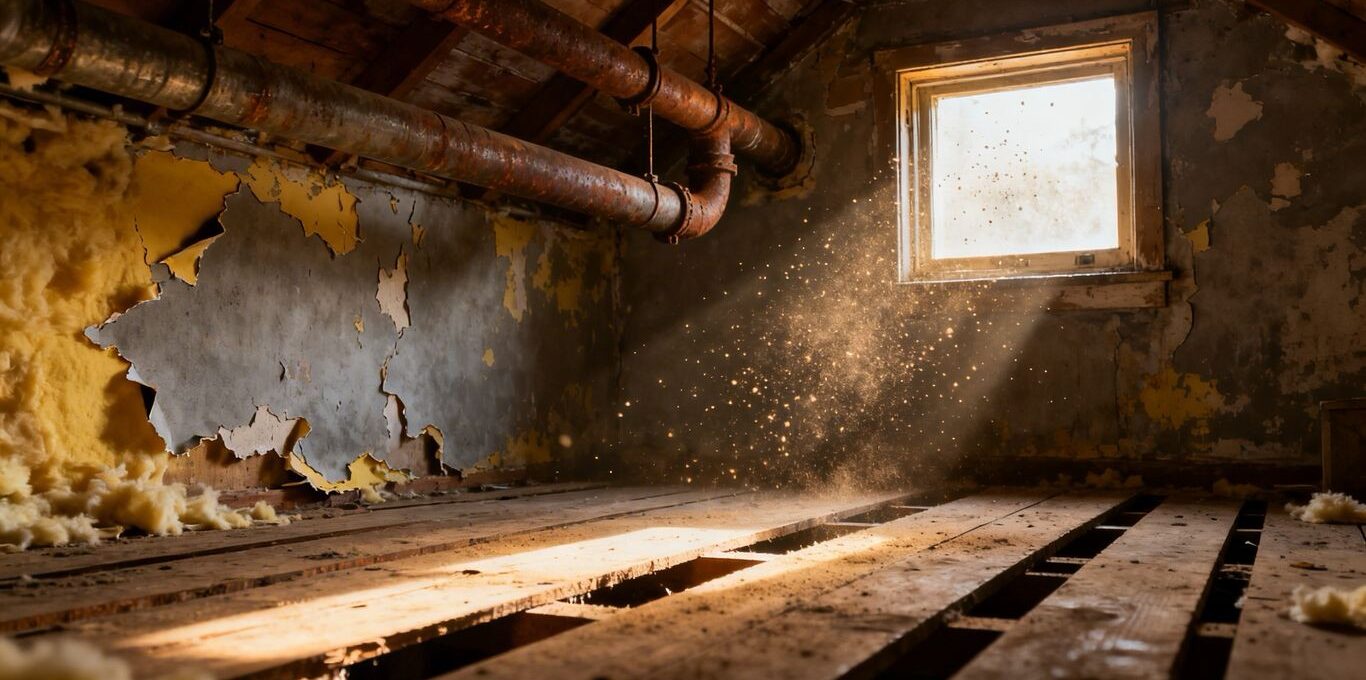
- Common Locations: Look for asbestos in older insulation (around pipes, attics, walls), vinyl floor tiles and their adhesive, textured paints and coatings (like popcorn ceilings), roofing and siding shingles, and even some older appliances.
- Condition Matters: Asbestos-containing materials (ACMs) generally pose a risk only when they are damaged, deteriorating, or disturbed. If ACMs are in good condition and unlikely to be disturbed, the safest approach is often to leave them in place and monitor them periodically.
- Professional Assessment: For certainty, especially before any renovation or if materials appear damaged, it is highly recommended to have a certified asbestos inspector assess the home. They can identify materials and advise on the best course of action.
Household Remediation and Abatement Guidelines
When asbestos-containing materials are damaged or need to be removed due to renovation plans, proper remediation is crucial. Attempting to remove asbestos yourself without the correct training and equipment can lead to significant exposure for everyone in the household.
- Professional Removal: For significant asbestos issues or planned renovations, hiring a licensed asbestos abatement contractor is the safest and most recommended option. These professionals have the specialized training, equipment, and procedures to remove asbestos safely and dispose of it according to regulations.
- Containment: In some cases, if asbestos materials are not severely damaged, they can be contained. This might involve sealing off the area or covering the material with a sealant to prevent fibers from becoming airborne. A professional can advise if this is a viable option.
- Post-Remediation Testing: After abatement work is completed, it is advisable to have an independent third party conduct air testing to confirm that asbestos fiber levels in the home have returned to safe, background levels. This step provides peace of mind and verifies the effectiveness of the remediation process.
Legal Rights and Compensation for Secondary Asbestos Exposure Victims
Secondary asbestos exposure can upend lives, bringing unexpected financial, emotional, and health struggles. People exposed at home by a partner’s or parent’s work with asbestos may not even realize their risk until they develop serious health issues. Knowing one’s legal options in these cases makes a real difference.
Historic Lawsuits and Case Outcomes
Some of the most important changes in asbestos law have come about from cases involving families, not workers. Over the years, courts have recognized that companies can be held responsible for secondary asbestos exposure. Here are a few notable points from past lawsuits:
- Juries have awarded damages in cases where spouses or children were exposed at home through contaminated work clothing.
- Significant verdicts include a $32 million award in South Carolina and a $27.5 million verdict in Ohio, both for families where household exposure led to mesothelioma.
- Still, court decisions vary by state, and some claims in places like New Jersey have been denied in recent years.
Steps to Filing a Secondary Exposure Claim
Anyone considering legal action for secondary asbestos exposure should know that the process may feel overwhelming at first, but there is a clear order to follow:
- Consult an attorney experienced in asbestos-related lawsuits—this is not a do-it-yourself situation.
- Collect documentation: medical records, details on work history, diagnosis, and any possible witnesses who can describe the exposure.
- Your attorney files the claim, which could be either personal injury or wrongful death, depending on the circumstance.
- The law firm investigates, negotiates potential settlements, and heads to court if needed.
How Legal Support Can Aid Impacted Families
Having legal help is critical because asbestos cases are tough to prove and companies often resist responsibility. Litigation teams can:
- Gather the evidence and connect the exposure to a specific employer or product.
- Submit claims with asbestos bankruptcy trust funds if the company is no longer operating.
- Advise on potential compensation to help cover medical costs and lost income, which is especially important when a diagnosis takes families by surprise.
Legal support doesn’t erase the diagnosis, but it can relieve some practical burdens, giving families space to focus on care and healing. Even if it feels like an uphill battle, knowing these rights may help people make decisions that can improve their situation.



Leave a Comment