
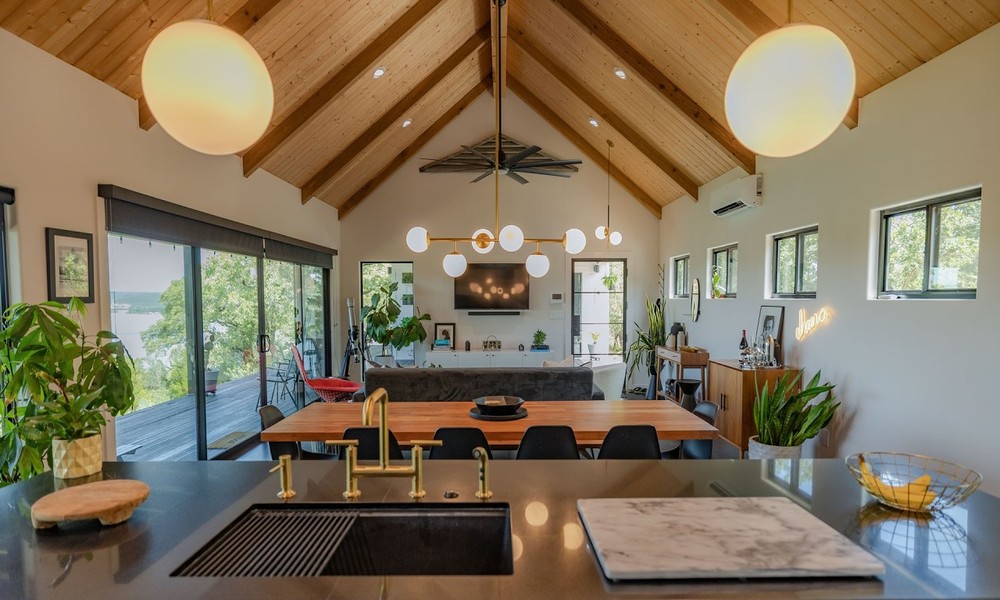

Los Angeles faces tight space across many neighborhoods. Homes feel smaller each year. Land costs keep rising fast. So, designers rethink how people live daily. Small homes now demand smart design choices. The idea of micro luxury grows strong. It blends comfort with careful use of space. Now buyers expect beauty in compact living. Showrooms must adjust to this new demand.
The Rise of Micro-Luxury Living
Micro luxury focuses on quality over size. Every detail must feel refined and useful. Storage becomes a key design feature. So hidden storage solutions gain attention. Compact layouts demand precise planning from the start. Designers create rooms that serve many purposes. A kitchen may also act as a social hub. The bathroom may feel like a private spa. Now the focus shifts from excess to intention. People want fewer items but better ones.
ADUs Are Changing Urban Housing
Accessory dwelling units grow across Los Angeles. These small homes sit behind main houses. Some serve as rentals or guest spaces. Others become private living areas for family. The city supports this trend with flexible rules. So, more homeowners build these compact units. Space limits drive creative layouts and smart choices. Each square foot must serve a purpose. The design must feel open and calm. ADUs need efficient appliances and clever storage. Now the demand shapes how products are displayed. Showrooms must reflect these new living patterns.
Showroom Inventory Must Evolve
Traditional showrooms displayed large luxury products. That approach no longer fits urban needs. The modern buyer wants compact high-end solutions. So, inventory must reflect smaller living spaces. Products must balance size and performance. Designers seek appliances that save space and energy. The appliance showroom Los Angeles market adapts quickly to this shift. Now integrated designs attract more attention. Built in appliances help maintain a clean visual line. Showrooms highlight modular and flexible systems. These solutions match the needs of ADU living.
Design Aesthetics in Limited Space
Visual simplicity becomes a key design goal. Clean lines help rooms feel larger and calmer. Light colors open up tight interiors. Materials must serve both style and function. Glass and metal finishes reflect light well. Compact spaces need careful lighting design. Layered lighting creates depth without clutter. Now minimal design does not mean plain design. Each element must feel intentional and refined. Designers avoid excess decoration in small areas. The result feels elegant and balanced.
Consumer Expectations Change
Buyers increasingly view luxury differently. Size no longer determines prestige or comfort. Quality and purpose trump size. Consumers want durable, efficient items. Small dwellings benefit from smart technology. Small spaces benefit from connected appliances. Daily life now includes convenience. In every room, they want seamless integration. Showrooms must tell a tale with exhibits. Each product must demonstrate small-space usability. This method helps purchasers visualize their homes.
Conclusion
Los Angeles continues to face space limits and rising demand. Micro luxury and ADUs reshape how people live. These trends push design toward efficiency and elegance. So, showrooms must adapt with thoughtful inventory choices. Compact products with premium features lead the market. Now the focus stays on quality within limited space. This shift defines the future of urban living.


Leave a Comment